
Create Flow in Your Home Design
Create Flow in Your Home Design creating a home that feels harmonious, spacious, and intentionally connected requires more than color matching and stylish furniture. It is about home design flow creation—a seamless narrative linking every room while nurturing comfort, functionality, and aesthetic continuity.
Discover practical, thoughtful strategies to enhance flow throughout your living spaces, ensuring each step you take feels intentional and soothing while reflecting your unique personality.
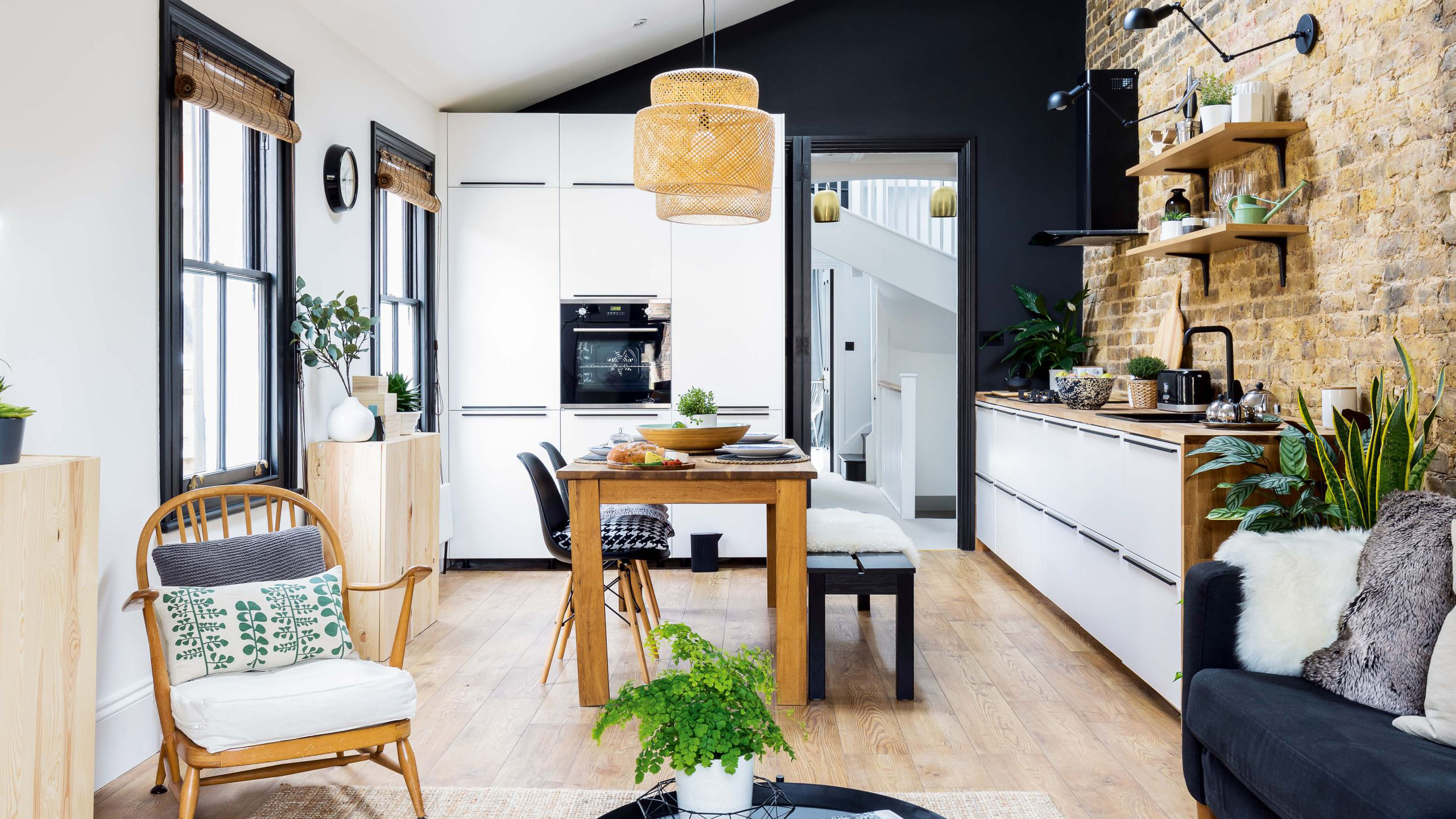
1. Understanding the Essence of Flow
Home design flow creation begins with understanding movement. Observe how you naturally travel through your home daily, identifying obstacles that disrupt comfort and areas where bottlenecks occur.
Good flow ensures your living environment supports your lifestyle, allowing natural movement while maintaining visual and spatial balance. It fosters clarity, reduces stress, and amplifies the feeling of spaciousness even in compact areas.
2. Embrace Open Sightlines
Uninterrupted sightlines contribute significantly to home design flow creation. Position larger furniture along walls rather than in pathways, use glass or open shelving to maintain visual connectivity, and keep windows free from heavy obstructions to draw the eye outdoors.
Clear pathways encourage smooth movement and add a sense of expansiveness, ensuring your home breathes with ease.
3. Unify with a Consistent Color Palette
A harmonious color scheme is an anchor for home design flow creation. While each room can showcase individual character, maintaining consistent undertones and complementary hues allows spaces to blend seamlessly.
Earthy neutrals paired with accents of soft blues, gentle greens, or warm terracottas can guide the eye fluidly from room to room without jarring transitions.
4. Flooring That Connects Spaces
Consistent flooring is a subtle yet powerful element in home design flow creation. Using the same type of wood, tile, or polished concrete across connected living areas allows the eye to move without interruption.
For homes where different flooring is necessary, use thresholds or transition strips in similar tones to create a graceful connection.
5. Optimize Furniture Layouts for Movement
Furniture placement greatly influences home design flow creation. Arrange pieces to facilitate clear pathways, avoiding tight corners or unnecessary obstructions.
In open-plan living, use rugs to define zones while ensuring there is adequate space for movement between areas, preserving cohesion while maintaining functional separation.
6. Layer Lighting Thoughtfully
Lighting design plays an essential role in home design flow creation. Use a combination of ambient, task, and accent lighting to guide movement and create focal points.
For instance:
- A pendant light over the dining table creates a destination.
- Wall sconces in hallways guide movement softly.
- Floor lamps in corners eliminate dark pockets, ensuring all areas feel intentional and welcoming.
7. Use Repetition to Reinforce Cohesion
Repetition of design elements—materials, shapes, colors, or patterns—acts as a thread weaving rooms together in home design flow creation.
If your kitchen uses brass hardware, consider using brass fixtures in adjacent spaces. If curves are present in your living room mirror, repeat this motif in a rounded coffee table or archway, fostering gentle continuity.
8. Consider Scale and Proportion
Balanced proportions across your furniture and décor support home design flow creation by avoiding visual weight disparities. Oversized furniture in a small room disrupts flow, while appropriately scaled pieces maintain equilibrium and encourage comfortable movement.
9. Incorporate Natural Elements
Natural materials and greenery bridge spaces beautifully, enhancing flow while adding warmth. Using wood, stone, rattan, and linen throughout your rooms ensures a cohesive sensory experience.
Placing plants at transition points (near doorways or corners) also softens movement while maintaining vibrancy in home design flow creation.
10. Use Mirrors Strategically
Mirrors amplify light and visually extend spaces, aiding in home design flow creation by connecting areas that may otherwise feel segmented.
A mirror at the end of a hallway can elongate the perspective, while mirrored furniture adds depth and reflection, promoting brightness throughout your spaces.
11. Zoning Without Physical Barriers
In open layouts, subtle zoning preserves flow while defining function. Rugs, lighting changes, and furniture arrangement can create visual boundaries without halting sightlines.
This zoning strategy aligns with home design flow creation, ensuring spaces serve specific purposes while maintaining connectivity.
12. Maximize Natural Light
Natural light fuels a sense of openness and fluidity. Keep window treatments light and breezy, use glass doors where possible, and place mirrors across from windows to enhance light distribution.
Natural illumination is a critical factor in home design flow creation, connecting your interior spaces with the rhythms of the day.
13. Curate Transitional Spaces
Hallways, landings, and entryways often disrupt flow if neglected. Transform these transitional spaces with art, lighting, and cohesive color to make them feel like intentional parts of your home design flow creation strategy rather than mere passageways.
A console table with a statement lamp or a small bench with cushions can add functionality while enhancing aesthetic consistency.
14. Open Up Doorways
Where possible, widen doorways or use archways to facilitate visual connectivity. Replacing solid doors with glass-paneled options between living areas allows light and sightlines to flow, enhancing home design flow creation.
15. Integrate Indoor and Outdoor Living
Blurring the boundaries between indoors and outdoors is a transformative component of home design flow creation.
- Use sliding glass doors to connect your living room to a patio.
- Continue flooring materials or color schemes outdoors.
- Arrange outdoor furniture to mirror indoor seating arrangements.
This extension expands your sense of space while connecting your home with nature.
16. Maintain Clear Pathways
Avoid blocking pathways with furniture or décor. A clear, intuitive path through each room and between spaces ensures your home design flow creation efforts support functionality and ease.
Allow at least 30-36 inches for walkways in living areas and around furniture for comfortable movement.
17. Sound Flow Matters
While visual and physical flow is essential, sound plays a role too. Incorporate textiles like rugs, curtains, and cushions to absorb echoes in open areas, maintaining a comfortable auditory environment.
Sound harmony contributes subtly but powerfully to home design flow creation, ensuring your space feels calm and cohesive.
18. Reflect Personal Style Consistently
Your personal aesthetic should remain consistent throughout your home to support home design flow creation. While each room may showcase unique functions and moods, your overall design style should tie everything together.
Whether it’s a Scandinavian, Japandi, bohemian, or coastal aesthetic, maintaining consistency creates a seamless experience throughout your spaces.
19. Embrace Multifunctional Spaces
Homes often require multifunctional spaces. An office nook in a living room, a guest bed in a home office, or a dining area in a kitchen can function efficiently without disrupting flow if designed thoughtfully.
Foldable furniture, sliding panels, and convertible pieces aid in home design flow creation, supporting multiple uses while maintaining clarity.
20. Scent and Sensory Flow
Scent also contributes to home design flow creation. Using similar scent profiles—herbal, citrus, woodsy—throughout your home can provide a subtle thread connecting spaces while elevating comfort.
Essential oil diffusers, scented candles, or fresh flowers can ensure your sensory experience aligns with your design flow.
21. Declutter for Spaciousness
Excess clutter interrupts flow. Streamlining your belongings allows the architecture and intentional design elements to shine.
Smart storage solutions—hidden cabinets, under-bed storage, and baskets—help maintain a clutter-free environment, enhancing home design flow creation and visual calm.
22. Seasonal Updates
Small seasonal changes keep your spaces feeling dynamic while supporting flow. Swapping textiles, rearranging artwork, or rotating decorative accessories can refresh your home without disrupting its cohesive essence.
Seasonal shifts are gentle ways to maintain excitement while respecting your home design flow creation efforts.
23. Art as Connective Elements
Art pieces can act as anchors within your home, guiding the eye and reinforcing cohesion.
Use artworks with similar color palettes or themes across different rooms, allowing them to communicate visually, a subtle yet impactful tool for home design flow creation.
24. Create Pause Points
While flow encourages movement, pause points create moments for stillness and reflection. A reading nook by a window, a cozy armchair with a floor lamp, or a small meditation corner provides rhythm to your home design flow creation, balancing movement with calm.
25. Reflect Nature Inside
Integrate natural materials, colors, and textures throughout your spaces to mirror the organic flow found in nature.
Woven baskets, wooden accents, stone elements, and nature-inspired hues support home design flow creation by grounding your interior environment in warmth and familiarity.
Home design flow creation is about crafting spaces that support natural movement, intentional living, and harmonious visuals. It is the seamless narrative that allows your spaces to breathe and connect, ensuring your home feels like a sanctuary, no matter its size or layout.
By using consistent color schemes, strategic furniture placement, cohesive materials, and natural elements, your home will transform into an environment where every room feels like a chapter in the same beautiful story.
Focus on how each space connects to the next while ensuring functionality, comfort, and your unique aesthetic remain central. Let your home become an invitation to linger, breathe, and move effortlessly within a haven designed with mindful flow.


