
How to Achieve a Balanced Exterior Look
How to Achieve a Balanced Exterior Look achieving a well-balanced home exterior is more than simply choosing a pretty paint color or planting flowers. True harmony involves proportion, symmetry, texture, color, and form—all working together to create a cohesive and inviting façade. Whether you’re building from the ground up or revamping an older residence, applying the right design principles ensures your exterior radiates charm and timeless appeal.
This guide presents curated, effective, and stylish balanced exterior design tips to help you craft an aesthetic that feels stable, elegant, and captivating from every angle.
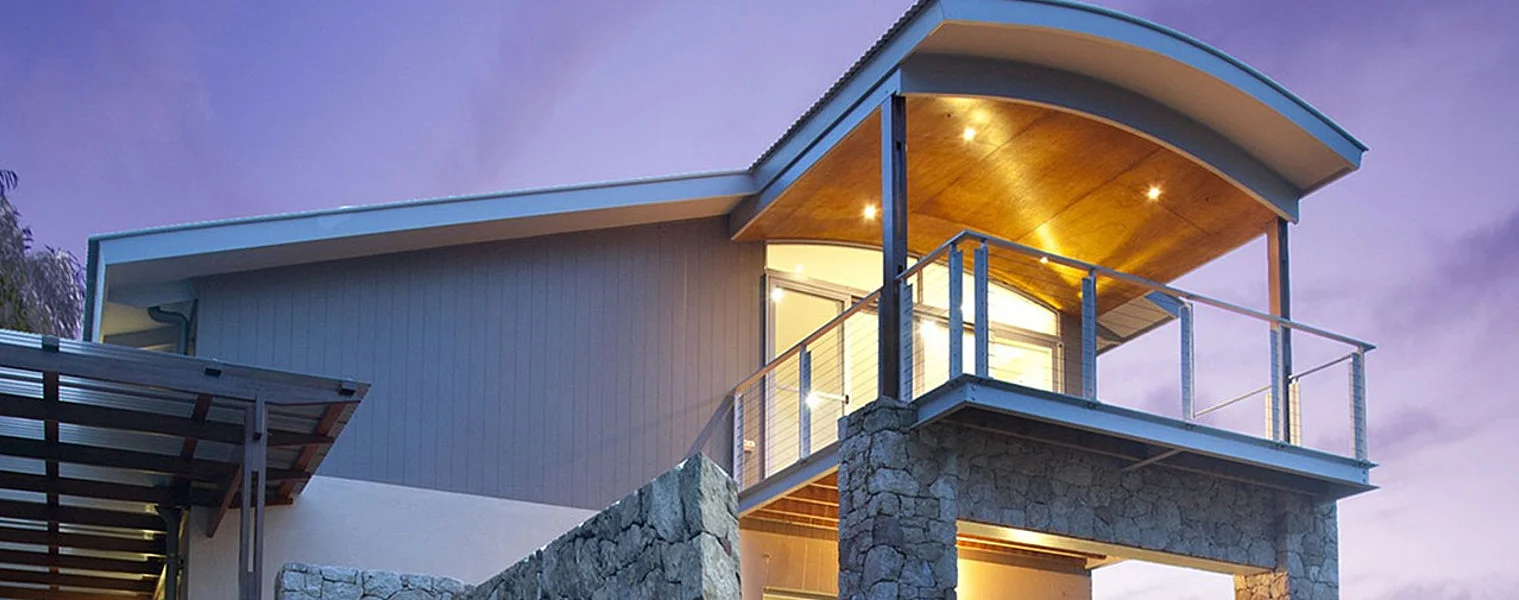
The Art of Symmetry and Asymmetry
Balance doesn’t always mean perfect symmetry. While mirrored design elements create a classical elegance, asymmetry can feel more organic and contemporary when done right.
Symmetrical Approach:
- Match windows on either side of the entryway.
- Use twin planters or lanterns to frame the front door.
- Opt for evenly spaced columns or porch railings.
Asymmetrical Elegance:
- Offset your entry with a large window on one side and landscaping on the other.
- Use varying textures—stone on one side, vertical siding on the other.
- Balance visual weight through color rather than shape.
Understanding when to embrace symmetry or artful asymmetry is foundational in applying effective balanced exterior design tips.
Color Coordination for Cohesion
Color plays a pivotal role in establishing visual harmony. A home exterior palette should feel unified yet layered—never flat.
Key Considerations:
- Stick to a base, trim, and accent color rule: three main hues that complement each other.
- Use warm or cool tones consistently to maintain tonal flow.
- Muted earth tones (like taupe, sage, or slate) offer versatility and elegance.
Pro Tip:
Incorporate contrasting hues sparingly for impact—think a bright front door or bold shutters—anchored by neutral body colors. This keeps the overall design harmonious, a hallmark of balanced exterior design tips.
Material Mixing Done Right
Variety in materials adds texture and depth, but overuse can create chaos. The secret lies in strategic contrast.
Thoughtful Pairings:
- Pair smooth stucco with rough stone for tactile interest.
- Use wood accents to soften industrial metal finishes.
- Brick mixed with board-and-batten siding adds heritage charm.
Stick to two or three materials max. Beyond that, the look becomes cluttered. These curated combinations demonstrate smart balanced exterior design tips for elevating style without losing cohesion.
Window and Door Proportions
Windows and doors function as the face of your home—they need to be positioned with both form and function in mind.
Proportional Planning:
- Use window sizes that relate to wall space. A small window on a large blank wall feels awkward and underwhelming.
- Doors should command attention but not overpower. Match door scale with the height and width of the house front.
- Don’t forget the vertical balance: second-story windows should align with those below or be thoughtfully offset with trim or shutters.
Well-placed windows and doors can instantly elevate architectural grace. It’s one of the most practical balanced exterior design tips for any home style.
Rooflines and Their Role
Rooflines frame the overall silhouette of your home. A strong, clean roofline anchors the structure visually and helps connect disparate architectural elements.
Tips for a Balanced Roofline:
- Ensure gables, dormers, or other roof features are aligned and proportionate to the rest of the house.
- Avoid too many competing angles or rooflines that feel too busy.
- Use consistent roofing material across extensions and garages.
When roofs flow seamlessly into the rest of the design, the entire home feels more unified. That’s why roof planning is a hidden hero among balanced exterior design tips.
Landscaping as a Harmonizer
Don’t let plants be an afterthought. Landscape design should integrate with the architecture to guide the eye and frame the home.
Landscape Strategies:
- Use symmetry in your plant placement to mirror the lines of your house.
- Frame your walkway with layered hedges or grasses for rhythm and repetition.
- Incorporate focal points—like ornamental trees or sculptures—to balance larger architectural voids.
Landscaping ties your house to its surroundings. When in tune with your architecture, it supports every other design choice, delivering impactful balanced exterior design tips straight from nature.
The Power of Hardscaping
Pathways, retaining walls, patios, and fences are extensions of your architecture. These elements must echo the same tones, lines, and materials as your home.
Clever Hardscaping Ideas:
- Curved walkways can soften the rigidity of angular homes.
- Repeating your home’s trim color in paving borders creates continuity.
- Natural stone borders work beautifully with wood-clad houses.
Proper hardscaping is often overlooked but is vital for a well-rounded look. It’s a subtle yet essential component of advanced balanced exterior design tips.
The Trim and Detail Factor
Trim work acts like the punctuation of a house—it refines, defines, and ties visual stories together.
Must-Do Trim Tricks:
- Ensure window and door trim colors match or intentionally contrast the siding.
- Use wider trim to add grandeur to smaller windows or doors.
- Don’t forget fascia boards and soffits—they should be clean and color-coordinated.
Even the most basic home exterior gains polish and presence with the right trim. These often-forgotten touches form the finishing layer of effective balanced exterior design tips.
Consider the Front Porch Composition
The front porch is where form meets function. It should blend seamlessly into the architecture while inviting people to linger.
Balance Your Porch Design:
- Use furniture scaled to the porch size—oversized rockers overwhelm small spaces.
- Create symmetry with matching planters or lanterns flanking steps.
- Add layered rugs and textures to ground the space visually.
A porch that feels like a curated extension of your interior not only adds charm but enhances equilibrium, making it a critical aspect of balanced exterior design tips.
Texture and Depth Through Accents
Flat surfaces can feel lifeless. Accents add dimensionality and interest.
Best Accents for Balance:
- Vertical siding breaks up wide, horizontal planes.
- Shutters or trellises can add interest without overwhelming.
- Metal awnings or wooden pergolas introduce structure and shadow.
Well-placed accents break monotony and highlight architectural lines—ideal balanced exterior design tips for adding drama without visual noise.
Garage and Driveway Considerations
Don’t let your garage dominate. Instead, treat it as part of the whole.
Integration Techniques:
- Match garage doors to front door material or trim color.
- Use landscaping to soften large driveways.
- Opt for carriage-style doors or faux window inserts to elevate plain panels.
When garages are designed in harmony with the house, they no longer feel utilitarian—they contribute to the visual rhythm. A perfect example of underused balanced exterior design tips in practice.
Lighting That Highlights, Not Distracts
Light can make or break a design. Exterior lighting should emphasize your home’s best features and create ambiance after sunset.
Balanced Lighting Blueprint:
- Use matching sconces on either side of the entry door.
- Install uplighting to highlight columns or trees.
- Incorporate path lights in clean, consistent lines.
Avoid overly harsh or mismatched lights. Subtle, layered lighting is both functional and flattering—a glow-up grounded in strong balanced exterior design tips.
Vertical vs. Horizontal Lines
Lines shape how we perceive space and scale.
Designing with Line:
- Vertical lines (like board-and-batten siding or tall windows) draw the eye up and make homes appear taller.
- Horizontal lines (such as wide planks or low railings) ground the space and make it feel expansive.
- Combine both to achieve optical equilibrium.
Intentionally blending lines creates architectural rhythm, a cornerstone of professional balanced exterior design tips.
Mailbox, House Numbers, and Entry Details
It’s the little things that finish the look. Don’t forget about mailboxes, address numbers, or entry mats.
Small Elements, Big Impact:
- Use modern fonts and finishes for house numbers that echo your home’s style.
- Coordinate mailbox materials with lighting or trim.
- Frame the doorway with a stylish mat and seasonal wreath for a welcoming touch.
These finishing flourishes may seem minor, but they add cohesion—tiny but mighty pieces of the balanced exterior design tips puzzle.
Seasonal Adjustments and Flexibility
Balance isn’t static. Your home should flow with the seasons through thoughtful décor and adaptable design choices.
Seasonal Harmony Tips:
- Rotate planters with season-appropriate florals.
- Change porch accents like rugs or cushions to reflect weather and mood.
- Use wreaths or lanterns to bring dynamic energy throughout the year.
These adaptable design techniques keep your exterior feeling alive, balanced, and perpetually refreshed—a graceful application of timeless balanced exterior design tips.
Final Thoughts
Creating a balanced exterior isn’t about perfection—it’s about thoughtful alignment. When texture meets tone, when form balances function, and when detail aligns with structure, the result is an exterior that feels both elegant and effortless.
Whether you’re starting from scratch or refining what’s already there, applying these balanced exterior design tips ensures your home’s face reflects both character and composure. By considering everything from rooflines and siding to porch furniture and mailbox fonts, your home becomes a unified work of art—one that greets the world with open arms and architectural finesse.


