
Make Your Exterior Pop with These Paint Tips
Make Your Exterior Pop with These Paint Tips curb appeal is the secret language your home speaks to the world. A well-painted exterior not only elevates your home’s visual charm but also protects it against the ravages of time and weather. Whether you’re revamping a tired facade or preparing your house for sale, using the right techniques and colors can make a significant difference. This exterior paint tips guide offers everything needed to transform your home’s exterior into a head-turning masterpiece.
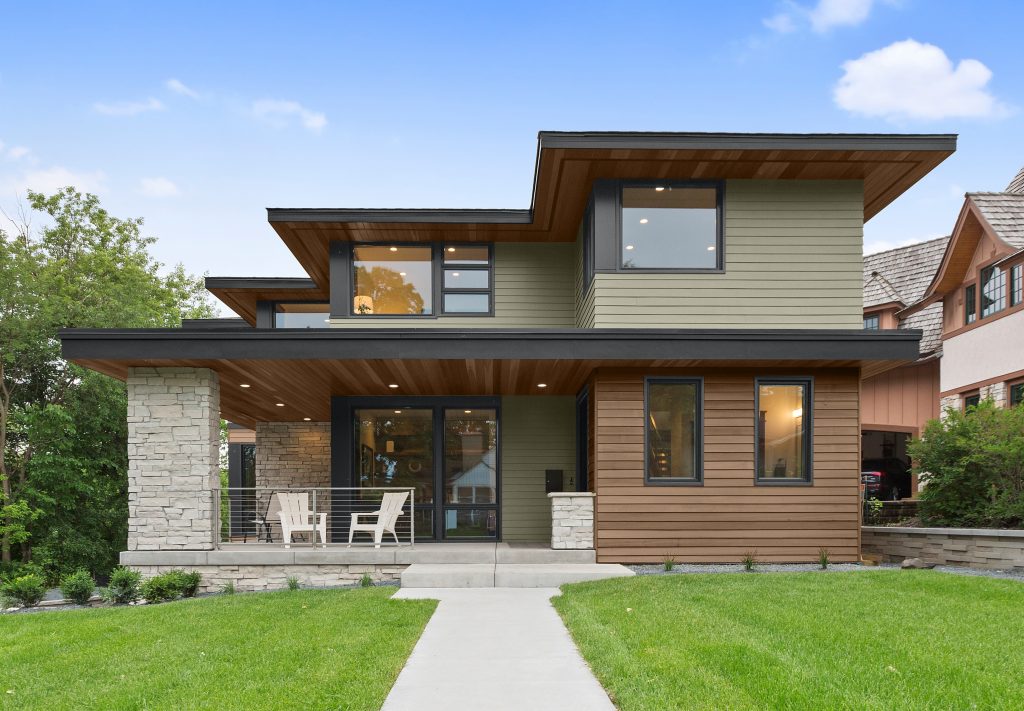
Why Exterior Paint Matters More Than You Think
Exterior paint is more than a cosmetic upgrade. It’s a protective barrier against UV rays, moisture, insects, and mildew. It also adds perceived and real value to your property. A fresh coat of the right paint can make your home feel new again.
A home with a vibrant and harmonious exterior palette often sells faster and commands a higher price in the market. Even if you’re not selling, who doesn’t want their house to be the most admired on the block?
Step One: Evaluate Your Surface and Prep Thoroughly
No matter how expensive your paint is, it won’t stick to a dirty or damaged surface. The first step of any exterior paint tips guide is cleaning and preparing the surface meticulously. Here’s how:
- Pressure Wash the entire exterior to remove grime, dust, and old paint residue.
- Repair Damages such as cracks, rotten wood, or loose siding before applying any paint.
- Sand rough patches and flaking areas to ensure a smooth finish.
- Prime all surfaces, especially if you’re switching from dark to light colors or painting over raw material.
Skipping these steps can lead to uneven application, poor adhesion, and reduced longevity of the paint.
Choosing the Right Paint Type
Not all paints are created equal. Choosing the right type ensures durability and aesthetic appeal.
1. Acrylic Latex Paint
This is the most popular choice for home exteriors. It’s water-based, flexible, breathable, and resistant to fading.
2. Oil-Based Paint
Great for surfaces that require durability like trims and doors, but it takes longer to dry and emits more fumes.
3. Elastomeric Paint
A thicker paint that bridges small cracks and withstands extreme weather changes.
A good exterior paint tips guide always recommends selecting paints rated specifically for outdoor use, with high UV protection and resistance to mildew.
The Psychology of Color: Make It Pop!
Color isn’t just visual—it’s emotional. The right palette can convey elegance, warmth, boldness, or tranquility. Think beyond personal preference and consider:
- Home Style: Victorian homes suit rich, complex tones. Modern homes thrive on stark contrasts.
- Neighborhood Norms: While it’s okay to stand out, you don’t want your home to clash dramatically with its surroundings.
- Environmental Backdrop: Earth tones blend with wooded areas. Coastal settings invite blues, whites, and sand-like tones.
Popular color combos that help exteriors pop:
- Deep Navy with Crisp White Trim
- Charcoal Gray and Burnt Orange Accents
- Forest Green with Natural Wood Finishes
- Creamy Beige with Black Shutters and Doors
Always test colors in different lighting conditions before finalizing.
Don’t Forget the Accents
A key part of this exterior paint tips guide is acknowledging the power of accents. Accent areas such as the front door, window shutters, trim, and railings can either complement or contrast your main color for maximum visual interest.
Accent Color Ideas:
- A bold red door on a white or gray house signals welcome and energy.
- Black shutters offer timeless contrast against light-colored siding.
- Muted teal can give modern homes a fresh, coastal vibe.
- Copper tones on trim and hardware create an upscale, rich look.
Strategically placed color helps define architectural features and creates balance.
Paint Finishes: Know the Difference
Finish matters almost as much as color. Each type brings a different look and function:
- Flat/Matte: Best for large walls; hides imperfections well.
- Eggshell: Slight sheen and easy to clean; good for siding.
- Satin: Slightly glossier; works well for trim and windows.
- Semi-gloss/Gloss: Ideal for doors and railings; offers high durability.
Combine finishes for dimension. For instance, use flat on walls and gloss on doors for a subtle yet effective contrast.
Timing is Everything
Paint behaves differently under different conditions. This exterior paint tips guide suggests painting during mild weather with low humidity. Avoid painting:
- In direct sunlight (it causes paint to dry too quickly and unevenly)
- Right before or after rainfall
- During windy conditions (debris can stick to wet surfaces)
Spring and early fall are often ideal times in most climates.
Tools of the Trade
Your result is only as good as your tools. Invest in high-quality brushes, rollers, and sprayers.
- Synthetic Brushes: Best for water-based paints.
- Natural Bristles: Preferred for oil-based paints.
- Rollers: Choose nap length based on surface texture.
- Sprayers: Excellent for large, flat surfaces; requires skill.
Use painter’s tape for crisp lines, drop cloths to protect the ground, and ladders with safety stabilizers for elevated areas.
Trending Techniques for 2025
Staying ahead of the curve means incorporating some modern techniques:
- Color Blocking: Apply contrasting colors on different planes or sections of the home.
- Two-Tone Finishes: Use one tone for the lower facade and another for the upper, separated by a trim.
- Textured Walls: Apply textured paint or stucco finishes for tactile and visual intrigue.
These techniques help modernize any exterior while remaining timeless.
Sustainability in Exterior Painting
An eco-conscious exterior paint tips guide wouldn’t be complete without sustainability tips:
- Opt for low-VOC or zero-VOC paints to reduce air pollutants.
- Recycle paint cans properly or donate unused paint to local charities.
- Use natural brushes and biodegradable tarps.
Green practices are better for you, your family, and the planet.
The Power of Preparation
Let’s recap some crucial steps in the prep stage that make or break a project:
- Remove old flaking paint using scrapers or heat guns.
- Use caulk to seal gaps between siding, windows, and trim.
- Prime all patched areas to ensure even absorption.
- Protect surrounding plants, lights, and furniture before painting.
Preparation ensures that your beautiful paint job lasts for years and performs under varying weather conditions.
DIY vs. Hiring Professionals
DIY projects can be rewarding, but painting an entire exterior can be exhausting and time-consuming. Consider hiring pros if:
- Your home is multi-story.
- You lack the right tools or time.
- You’re unfamiliar with safety procedures.
Professionals bring efficiency, expertise, and access to better materials. However, if you’re confident in your skills, the tips in this exterior paint tips guide can help you tackle the project like a pro.
Real Examples That Inspire
Case Study: Bungalow Transformation
A 1950s bungalow in Portland was reborn with a charcoal base and cherry red door. The owners added white trim and matte gold hardware. This simple update doubled the visual appeal and increased buyer interest during open house season.
Case Study: Colonial Revival
A tired colonial home received a fresh makeover with a navy exterior and bright white accents. The once-overlooked home became the centerpiece of its cul-de-sac.
These transformations showcase the tangible impact of well-applied exterior paint tips guide techniques.
Maintenance and Touch-Ups
Once the paint dries, the job isn’t over. Maintenance keeps your exterior looking fresh:
- Inspect annually for signs of cracking or peeling.
- Touch up chips before moisture gets in.
- Clean surfaces gently with a hose or soft-bristle brush every season.
- Keep records of colors and brands used for future touch-ups.
Proper maintenance extends the life of your paint and preserves curb appeal.
Budgeting for Your Exterior Paint Project
Costs vary depending on size, surface condition, paint brand, and whether you hire a contractor. Here’s a rough breakdown:
- DIY Materials: $300–$700
- Professional Service: $2,500–$7,500 for a standard single-family home
Invest in high-quality paint even if it costs more upfront. It will last longer, require fewer coats, and resist fading better over time.
Let Your Home Speak Boldly
Exterior painting is one of the most rewarding upgrades you can make. It boosts not only curb appeal but also property value, weather resistance, and neighborhood pride. With the right color palette, finishes, tools, and prep, your home can radiate charm from every angle.
Use this exterior paint tips guide to make smart, stylish, and strategic choices. Whether you opt for bold contrasts or subtle elegance, every brushstroke contributes to a story—a story of care, creativity, and a love for the home you’ve built.
Your home deserves to shine. So roll up your sleeves, dip your brush, and let those colors pop!


