
Maximize Light in Home Design
Maximize Light in Home Design light is not merely an aesthetic tool; it is a life force that transforms how a space feels, functions, and inspires. To maximize light in home design is to embrace both natural and artificial illumination as a strategic ally, ensuring every corner of your home feels vibrant, spacious, and alive.
This guide unpacks proven principles and innovative methods to maximize light in home design, helping you craft interiors that glow with warmth while supporting your daily rhythms.
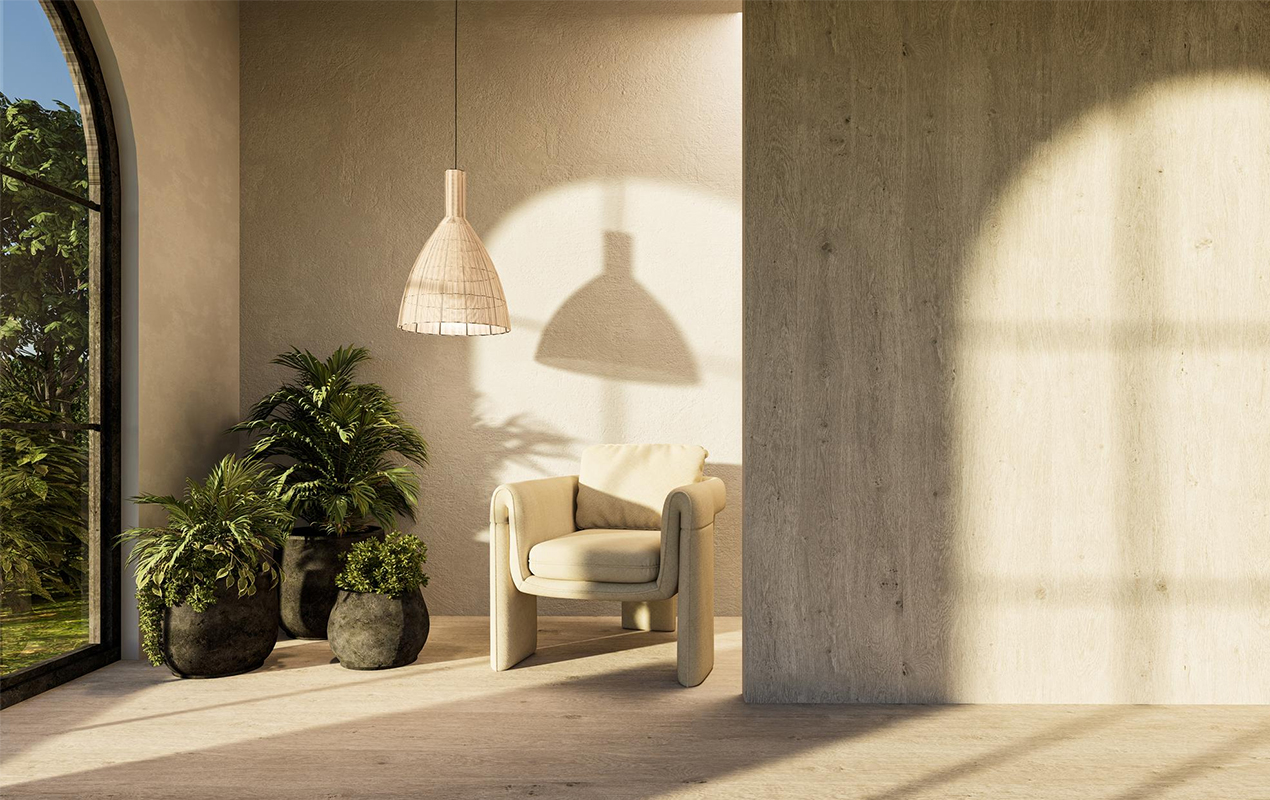
The Importance of Light in Home Design
Humans are biologically wired to respond to light. Sunlight regulates our circadian rhythms, elevates our moods, and boosts productivity. Spaces designed with light in mind feel welcoming, appear larger, and create a harmonious environment for living, working, and resting.
To maximize light in home design is to prioritize well-being, comfort, and energy efficiency in every design choice, from structural elements to color palettes and furnishing layouts.
Understanding Natural Light
Natural light is the cornerstone when you maximize light in home design. It brings a dynamic quality that artificial lighting cannot fully replicate, shifting tones throughout the day to create visual interest and emotional warmth.
The Science of Light Direction
North-facing windows: Consistent, cool light ideal for studios and home offices.
East-facing windows: Bright, crisp morning light that energizes kitchens and breakfast nooks.
South-facing windows: Abundant daylight throughout the day, perfect for living areas.
West-facing windows: Warm afternoon and evening glow, ideal for dining spaces.
Understanding your home’s orientation will help you strategically plan to maximize light in home design while managing glare and heat gain.
Architectural Strategies to Maximize Light
1. Embrace Open-Concept Layouts
Removing unnecessary walls allows daylight to travel deeper into your home, creating a fluid connection between spaces. An open-concept kitchen flowing into a living room allows sunlight from multiple directions to permeate your home.
2. Install Larger Windows
Consider floor-to-ceiling windows, sliding glass doors, or clerestory windows to flood your interiors with daylight. Modern double-glazed windows allow you to maximize light in home design while maintaining thermal efficiency.
3. Incorporate Skylights and Solar Tubes
Skylights bring zenithal light into dark hallways, bathrooms, and kitchens, while solar tubes offer a cost-effective method to funnel daylight into smaller spaces.
4. Use Glass Partitions
Glass partitions replace solid walls without sacrificing light. They maintain acoustic privacy while ensuring spaces remain bright and visually connected.
5. Optimize Window Placement
Position windows across from each other to encourage cross-lighting. This creates balanced illumination and reduces harsh shadows within your home.
Interior Design Techniques to Maximize Light
1. Reflective Surfaces
Mirrors strategically placed opposite windows bounce daylight deeper into your interiors. Glossy finishes on cabinetry, polished concrete floors, and glass tiles amplify light reflection.
2. Light Color Palettes
Soft whites, pale greys, and warm neutrals enhance light diffusion, making spaces feel larger and airier. Light-colored ceilings can visually lift the height of a room, expanding the sense of openness.
3. Sheer Window Treatments
Replace heavy drapes with sheer curtains to soften light without blocking it. Roller blinds and translucent panels offer privacy while allowing light penetration.
4. Minimalist Furniture Arrangement
Avoid bulky furniture that blocks windows or restricts pathways of light. Floating furniture arrangements and open shelving units support the goal to maximize light in home design.
5. Glass and Metallic Accents
Incorporate glass coffee tables, metallic light fixtures, and chrome accents to enhance reflectivity, ensuring light moves effortlessly across your space.
Artificial Lighting to Support Natural Light
Even in well-lit homes, strategic artificial lighting is essential to maximize light in home design, particularly in the evenings and on overcast days.
Layered Lighting Approach
Ambient Lighting: General illumination using recessed lighting or ceiling-mounted fixtures.
Task Lighting: Focused light for specific activities, such as reading lamps, under-cabinet kitchen lights, and vanity lighting.
Accent Lighting: Highlight architectural features, artwork, or textured walls with spotlights or LED strips.
Combining these layers allows flexibility in controlling the brightness and mood of each space.
Smart Lighting Systems
Automated lighting systems adjust brightness based on natural light availability, ensuring your home remains consistently bright while conserving energy.
Using Biophilic Design to Maximize Light
Biophilic design, which connects occupants to nature, supports your goal to maximize light in home design while enhancing well-being.
Position indoor plants near windows to filter light softly while adding greenery.
Incorporate natural materials like timber and stone that interact beautifully with daylight.
Design indoor-outdoor connections with glass doors opening onto patios and gardens, blurring the boundary between interior and exterior.
Zone-by-Zone Strategies to Maximize Light
Living Room
Position the seating arrangement to capture daylight from multiple angles.
Use mirrors and reflective surfaces to amplify light.
Incorporate layered lighting with floor lamps and wall sconces for evening illumination.
Kitchen
Utilize under-cabinet LED lighting to brighten workspaces.
Install pendant lights over islands to create functional and aesthetic focus.
Incorporate skylights above cooking or prep areas for direct daylight.
Bedroom
Opt for light-colored bed linens and rugs.
Use adjustable window treatments to control morning and evening light.
Integrate soft, warm artificial lighting for a cozy atmosphere at night.
Bathroom
Add frosted windows or skylights for privacy while ensuring daylight.
Use large mirrors above vanities to reflect light.
Incorporate layered lighting with dimmable options to cater to different needs.
Outdoor Spaces and Light Maximization
Maximizing exterior light contributes to interior brightness and extends your living space outdoors.
Use reflective exterior surfaces like light-colored paving and white garden walls.
Prune trees and shrubs to allow daylight to enter your home while maintaining greenery.
Incorporate outdoor mirrors and water features to reflect light creatively.
Common Challenges and Solutions
Managing Glare
While the aim is to maximize light in home design, excessive light can cause glare.
Solutions:
Use adjustable window treatments.
Incorporate shading devices like eaves and pergolas.
Apply UV-filtering films on windows.
Balancing Privacy
Large windows can compromise privacy.
Solutions:
Use frosted glass or decorative films.
Position windows to capture light from less exposed sides of your home.
Incorporate landscaping elements as natural privacy screens.
Controlling Heat Gain
Abundant daylight can lead to overheating, especially in warmer climates.
Solutions:
Use double-glazed or low-E glass for windows.
Integrate cross-ventilation strategies to cool interiors.
Install external shading devices.
Technological Innovations for Light Maximization
Electrochromic Glass: Smart glass that tints automatically to control light and heat.
Light Shelf Technology: Horizontal surfaces above eye level that reflect daylight deeper into interiors.
Daylight Simulation Software: Helps plan window placement and skylight integration effectively during the design phase.
These innovations support your intention to maximize light in home design while maintaining comfort and energy efficiency.
Sustainability Considerations
Maximizing daylight reduces reliance on artificial lighting, lowering energy consumption. Coupling daylight strategies with passive solar heating and cooling can significantly reduce your home’s carbon footprint while enhancing comfort.
Case Studies
Scandinavian-Inspired Urban Home
A compact urban home in Copenhagen incorporated floor-to-ceiling windows, a white and pale wood interior palette, and reflective surfaces to maximize light in home design. The result was a luminous sanctuary that felt spacious despite its small footprint.
California Mid-Century Modern Renovation
A mid-century home in California underwent a renovation to include clerestory windows and skylights, allowing daylight to filter throughout the open-plan living area. Strategic window placements brought sunlight deep into the space while preserving privacy with landscaping.
Future Trends in Light-Focused Home Design
Circadian Lighting: Artificial lighting that mimics natural daylight patterns to support biological rhythms.
Transparent Photovoltaics: Solar windows that generate energy while allowing light transmission.
Adaptive Facades: Building exteriors that adjust transparency in response to light conditions.
Embracing these trends will elevate your approach to maximize light in home design while future-proofing your living space.
Practical Tips to Maximize Light Today
Rearrange furniture to prevent blocking windows.
Regularly clean windows to allow maximum light transmission.
Use lighter, reflective surfaces on walls and floors.
Replace heavy curtains with lighter, sheer materials.
Trim outdoor foliage that blocks light entry.
Add mirrors to dark corners to distribute light evenly.
Let Your Home Breathe with Light
To maximize light in home design is to gift your living spaces with vitality, comfort, and beauty. It is about creating homes that resonate with warmth, where daylight becomes part of the architecture, enhancing every daily ritual.
From architectural planning to décor choices, every decision contributes to a brighter, more welcoming environment. In a world where time indoors continues to increase, prioritizing light in your home is an investment in well-being, sustainability, and the joy of everyday living.


