
Modern Kitchen Design for Everyday Living
Modern Kitchen Design for Everyday Living in the evolving landscape of home interiors, the kitchen has taken center stage—not only as a place to prepare meals but as a multifunctional core where life unfolds. A well-thought-out modern kitchen design accommodates the rhythm of daily routines while exuding style and sophistication. It is no longer just about aesthetics; it’s about seamless integration between form and function.
Open Space Philosophy
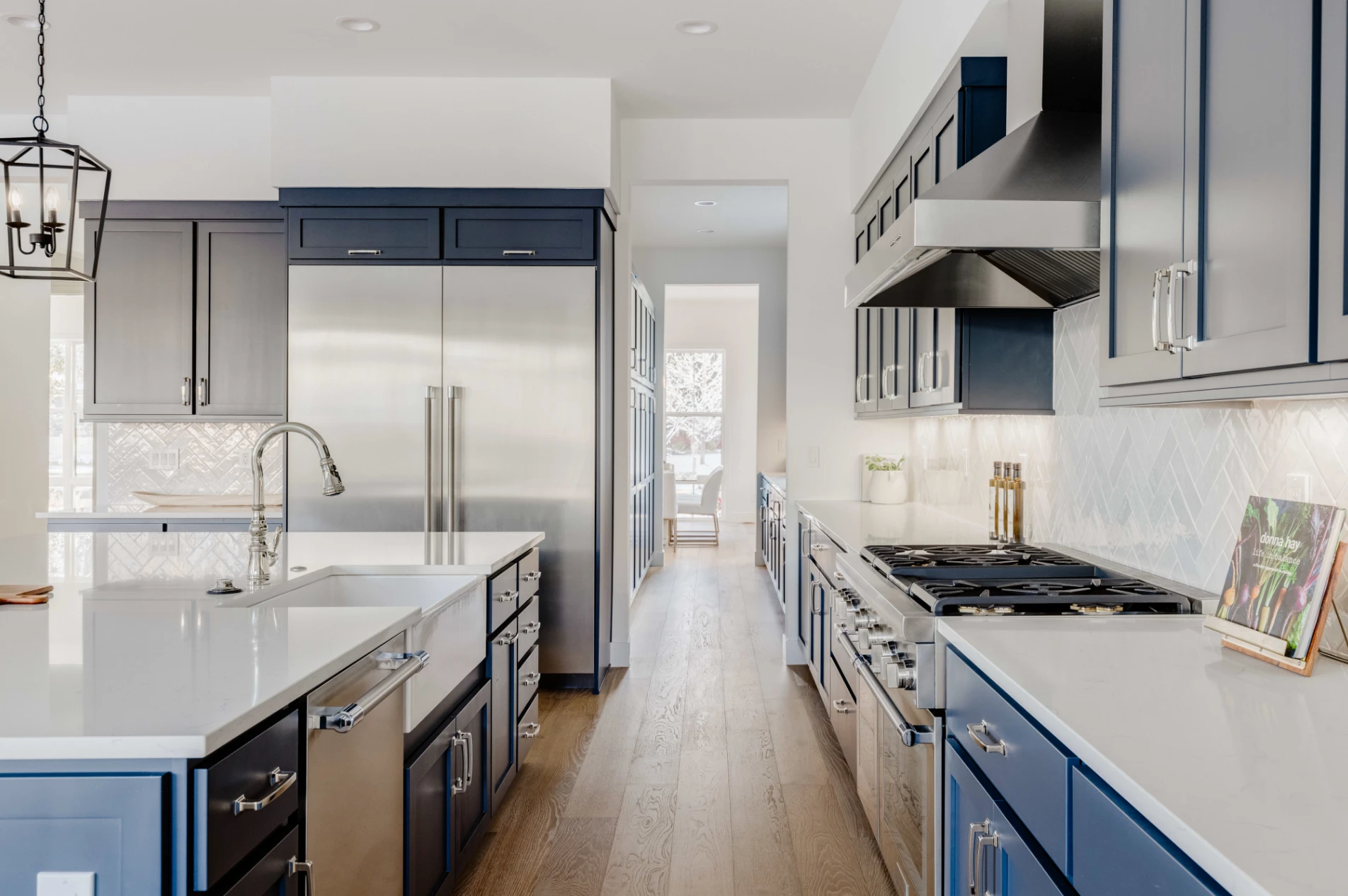
Minimalist yet meaningful, open layouts define modern kitchen design. By removing unnecessary barriers, the kitchen becomes a fluid extension of adjacent living spaces. This approach promotes conversation, movement, and visibility across zones. Walls are traded for wide archways or glass partitions. Islands replace traditional dining tables, offering a spot for food prep, casual meals, remote work, or impromptu conversations.
This architectural openness is not just visually liberating—it nurtures connectedness. And in a world where multitasking reigns, that matters more than ever.
Clean Lines and Hidden Functionality
The essence of modern kitchen design lies in simplicity. But don’t be fooled—this simplicity is engineered with precision. Flat-front cabinetry, handle-less doors, and integrated appliances keep visual noise to a minimum. The result is a space that breathes calm and order.
Innovations like push-to-open mechanisms, retractable range hoods, and toe-kick drawers offer subtle elegance while maximizing utility. Every square inch is leveraged, yet nothing feels cluttered. This is minimalism at its most intelligent.
Emphasis on Natural Light
Natural light is a non-negotiable element of effective modern kitchen design. Expansive windows, skylights, or even glass ceilings flood the space with daylight, enhancing mood and visibility. Light bounces off smooth surfaces like quartz countertops or polished cement floors, making the kitchen feel even more expansive.
When sunlight isn’t available, layered lighting strategies step in. Pendant lights above islands, under-cabinet LEDs, and ambient ceiling fixtures work together to create a welcoming glow, whether it’s dawn or dusk.
Versatile Islands for Dynamic Lifestyles
The island is the workhorse of the modern kitchen. It functions as a prep area, a dining surface, a social hub, and often, extra storage. In the context of modern kitchen design, islands have evolved to include built-in wine coolers, charging stations, and even herb gardens.
Some designs feature multi-tiered islands with designated zones—one for cooking, another for interaction. This kind of compartmentalized functionality mirrors the way modern families live and interact daily.
Materials That Speak Softly, Yet Boldly
Neutral palettes dominate modern kitchen design, but they are anything but boring. Think soft taupes, smoky greys, matte blacks, and crisp whites layered in organic harmony. These tones allow for textural play—brushed metal finishes, fluted glass, concrete, and timber details all contribute to a kitchen that is visually arresting yet serene.
Sustainable materials such as bamboo, recycled composite stone, or reclaimed wood are frequently chosen. Their tactile richness lends a grounded feel while promoting eco-consciousness.
Smart Appliances, Seamlessly Integrated
Technology is not just welcome in a modern kitchen—it’s essential. Smart refrigerators that track grocery levels, ovens that preheat remotely, and voice-controlled lighting systems make daily life effortless. These are not gimmicks; they are thoughtful enhancements to usability.
Modern kitchen design favors integration. That means appliances are often concealed behind matching cabinet panels, creating a unified look. Even ventilation systems are built into cabinetry or islands, vanishing from sight but never from function.
Flexible Storage That Anticipates Your Needs
An organized kitchen is a productive one. Pantry walls, corner carousels, and deep drawers tailored for pots, pans, and utensils ensure every item has a home. Pull-out racks for spices, vertical slots for trays, and hidden bins for waste and recycling bring surgical precision to storage.
A defining trait of modern kitchen design is customization—storage solutions are no longer generic. They are designed for your lifestyle, your tools, your habits.
Artful Backsplashes and Focal Points
Backsplashes have transcended their utilitarian roots. Now, they act as visual centerpieces in the kitchen. From full-height stone slabs to geometric encaustic tiles, these design elements command attention. Metallic finishes like burnished copper or brushed brass offer a contemporary touch without overwhelming the senses.
The use of contrasting materials—like pairing terrazzo with dark wood—can create a tactile depth that enhances the sensory experience of the room.
Ergonomics as a Priority
Designing for comfort is non-negotiable. Countertops are placed at optimal heights, appliances are installed with accessibility in mind, and walkways are wide enough for two people to move side by side. Seating is supportive and positioned strategically to maintain interaction without interrupting flow.
These considerations, though subtle, make a massive difference in how the space functions daily. Modern kitchen design accounts for the human body in motion, not just static appearances.
Indoor-Outdoor Continuity
Blurring the boundaries between inside and out is a signature move in today’s homes. Bi-fold or sliding glass doors open kitchens to patios or courtyards, transforming the act of cooking into an immersive experience with nature.
This sense of openness connects residents with the outdoors, invites fresh air into the heart of the home, and provides a backdrop of greenery or skyline to meals and gatherings. The kitchen becomes a node of seasonal change and natural beauty.
Neutral Doesn’t Mean Lifeless
Color schemes in modern kitchen design tend to favor restraint, but that doesn’t equate to sterility. Earth-toned cabinetry, navy islands, or forest green pantries inject personality. Accent walls, statement lighting, or sculptural furniture can offer bursts of energy without disturbing harmony.
Layering different shades of the same hue, combined with varied materials, creates nuance that rewards repeated viewing. The beauty lies in the detail, not the volume.
The Kitchen as a Lifestyle Canvas
The true genius of modern kitchen design is its adaptability. It supports culinary exploration, family gatherings, solitary mornings with coffee, and late-night snacks. It is utilitarian, yet expressive. Elegant, yet approachable.
The kitchen is no longer a backdrop. It’s the main act. Whether you’re preparing a weekday meal or hosting a dinner party, it responds with grace and agility. A well-executed modern kitchen doesn’t scream for attention—but it always gets it.


