
Small Space Interior Hacks That Work
Small Space Interior Hacks That Work living in a compact home doesn’t mean compromising on style or functionality. In fact, designing for limited square footage opens the door to creativity, precision, and surprisingly impactful decisions. With the right techniques, even the tiniest studio apartment or narrow hallway can be transformed into a sanctuary of sophistication and practicality. The following small space hacks blend ingenuity with aesthetics, proving that great things often do come in small packages.
Vertical Real Estate Is Prime Property
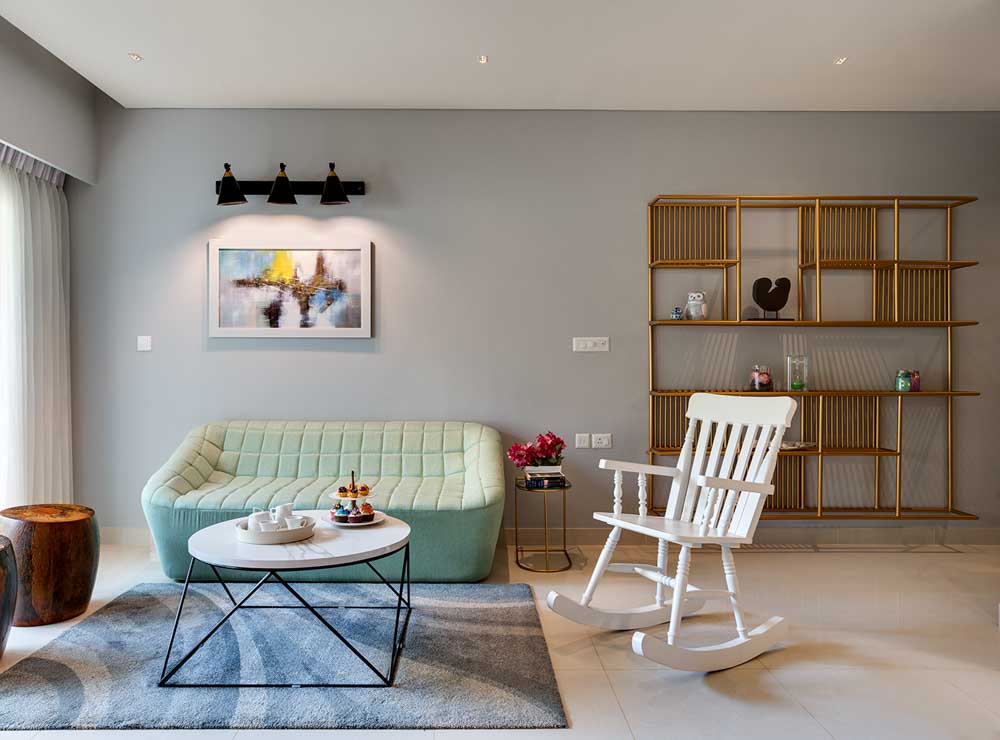
When floor space is scarce, the sky—or at least the ceiling—is the limit. Vertical storage solutions maximize every inch, freeing up ground-level clutter and creating a sense of openness. Wall-mounted shelves, hanging planters, pegboards, and even suspended desks allow you to store or showcase essentials without consuming precious walking room.
Consider installing open shelving above doorways or using tall bookcases that draw the eye upward. These small space hacks visually elongate a room, making it feel more expansive and intentional.
Foldable and Multipurpose Furniture
In a small home, each piece of furniture must earn its keep. Opt for convertible or dual-purpose items that shift form or function on demand. Think ottomans with storage, beds with built-in drawers, wall beds that fold into desks, or dining tables that expand only when guests arrive.
By minimizing single-use furnishings, you retain flexibility and avoid the visual chaos of overcrowding. These small space hacks ensure that your environment evolves with your lifestyle rather than fighting against it.
Strategic Use of Mirrors
Mirrors are more than decorative elements—they’re space magicians. Positioned correctly, they can reflect natural light, expand visual boundaries, and inject elegance into cramped corners. A large mirror placed across from a window multiplies daylight, making a space feel airier and more inviting.
Even mirrored furniture, like coffee tables or cabinets, contributes to the illusion of openness without shouting for attention. These reflective surfaces add layers of depth without adding bulk, proving that small space hacks can be both subtle and sublime.
Optical Illusions Through Color and Texture
Pale, monochromatic color palettes trick the eye into perceiving more space. Soft neutrals, whites, pastels, and cool grays reflect light and create continuity. Add interest through tactile variation—mix matte finishes with glossy ones, or blend natural fibers with sleek metals.
Vertical stripes or tall drapery panels elongate the room’s perceived height, while tone-on-tone layering prevents visual clutter. These refined small space hacks create dimensionality while maintaining cohesion and flow.
Declutter Ruthlessly and Organize Intelligently
Minimalism isn’t a trend—it’s survival for small spaces. Every object in the room should have a purpose or a story. Excess, no matter how beautiful, can quickly turn charming nooks into chaotic zones.
Use drawer dividers, labeled baskets, stackable containers, and hidden compartments to tame the mess. Apply the “one in, one out” rule when acquiring new items. These small space hacks enforce discipline and help your home remain intentional and functional.
Sliding Doors Over Swinging Ones
Traditional hinged doors require clearance, which limits what can be placed nearby. Sliding doors, pocket doors, or barn-style panels glide effortlessly along a track, conserving both visual and physical space.
In bathrooms, closets, and even bedrooms, this adjustment enhances flow and increases flexibility in furniture placement. A small tweak like this can unlock new layout possibilities and bring balance to tight interiors.
Built-Ins: Seamless and Sleek
Custom built-ins are the tailored suits of interior design. Whether it’s a window seat with storage beneath, recessed shelves between wall studs, or a custom desk nook, built-ins eliminate dead zones and make full use of your home’s architectural quirks.
These integrated small space hacks also minimize visual fragmentation by eliminating gaps and overlaps, creating a smooth, continuous design line that promotes tranquility and order.
Use Corners Creatively
Corners often go underutilized, yet they hold remarkable potential. Install corner shelving units, place triangular desks, or hang geometric corner lights to animate forgotten spaces.
Even a small armchair paired with a tall lamp can transform a bare corner into a cozy reading nook. By embracing these architectural oddities, small space hacks maximize usefulness and add charm where it’s least expected.
Raise the Curtains
Mounting curtain rods closer to the ceiling, rather than just above the window frame, creates the illusion of height. Floor-to-ceiling drapes draw the eye upward, making rooms appear taller and more grandiose.
Choose light, breathable fabrics like linen or sheer cotton to maintain airiness. This visual lift adds polish while reinforcing spatial elegance—proof that small space hacks can be as aesthetic as they are functional.
Transparent Furniture for Lightness
Furniture made of acrylic, glass, or lucite appears to take up less space. These see-through materials don’t block sightlines, allowing the eye to travel through the room uninterrupted.
Incorporate a glass coffee table, lucite dining chairs, or even a floating console. These pieces blend into the environment while still offering full usability, embodying one of the cleverest and most design-forward small space hacks available.
Zone Without Walls
In open studios or multi-use rooms, define areas using rugs, lighting, or furniture arrangement instead of adding physical dividers. A rug under the dining table distinguishes it from the living zone. A pendant light above a reading chair creates an implied nook.
This approach respects the limited footprint while giving each activity its own sense of place. These zoning techniques are nuanced small space hacks that enhance usability without sacrificing aesthetics.
Hooks, Rails, and Hanging Storage
Don’t underestimate the vertical surface area available on the backs of doors, sides of cabinets, and even under shelves. Install hooks or magnetic strips for kitchen tools, wall-mounted rails for hanging utensils or towels, and hanging baskets for lightweight storage.
These peripheral zones, when properly equipped, can dramatically increase storage without requiring floor space. In this realm, small space hacks often rely on clever, unconventional thinking to outsmart limitations.
Keep It Light, Keep It Simple
Avoid heavy, overstuffed furniture and visually dense patterns. Simplicity and airiness go hand in hand in small homes. Opt for leggy furniture that exposes more floor area and allows light to circulate freely.
Uncluttered sightlines, soft hues, and minimal ornamentation help create a breathable environment. It’s a reminder that the most effective small space hacks often revolve around subtraction, not addition.
Small spaces aren’t limitations—they’re opportunities for elevated design thinking. With clever solutions, thoughtful choices, and a little spatial alchemy, even the coziest room can become a paragon of both form and function. The best small space hacks combine visual harmony with smart storage, creating an environment that feels expansive, expressive, and entirely yours.


